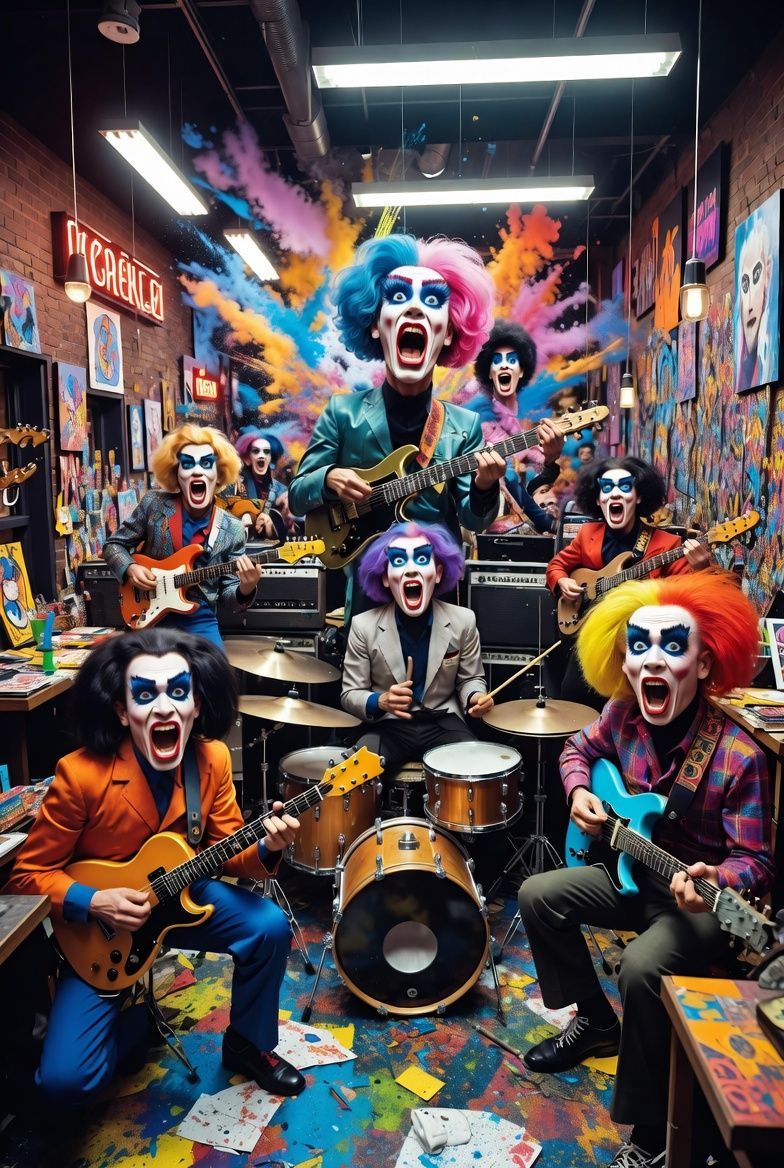
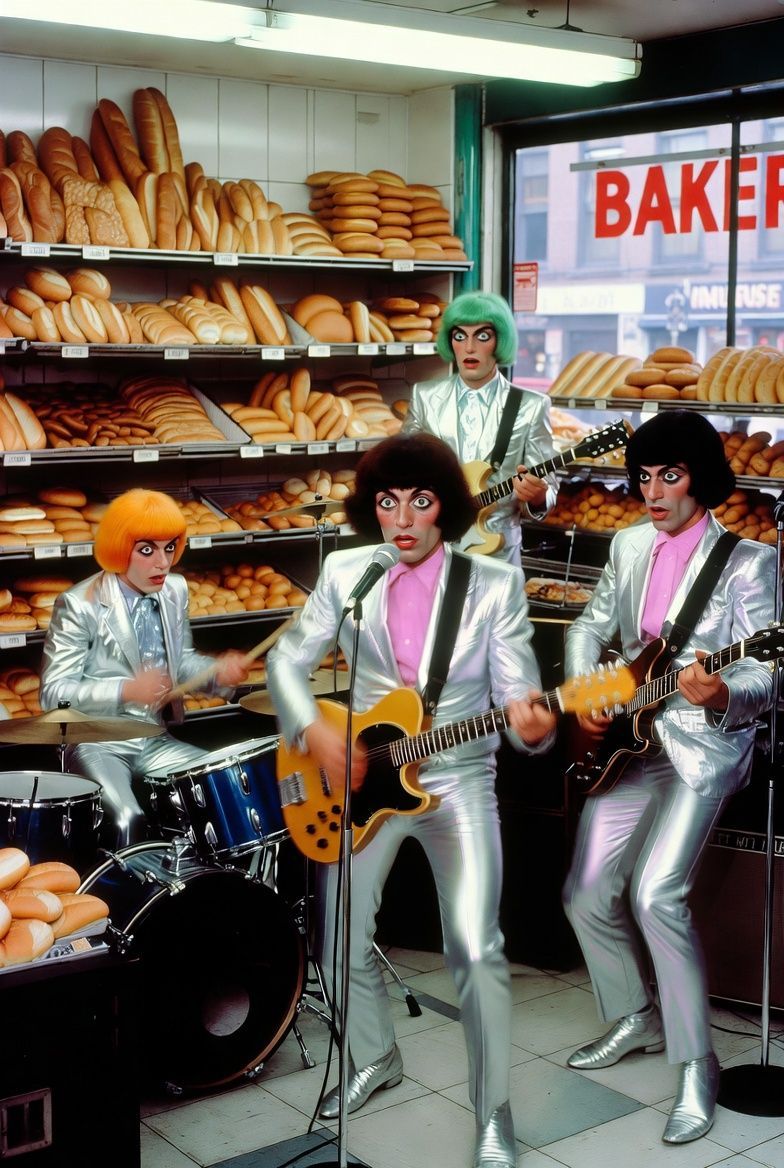
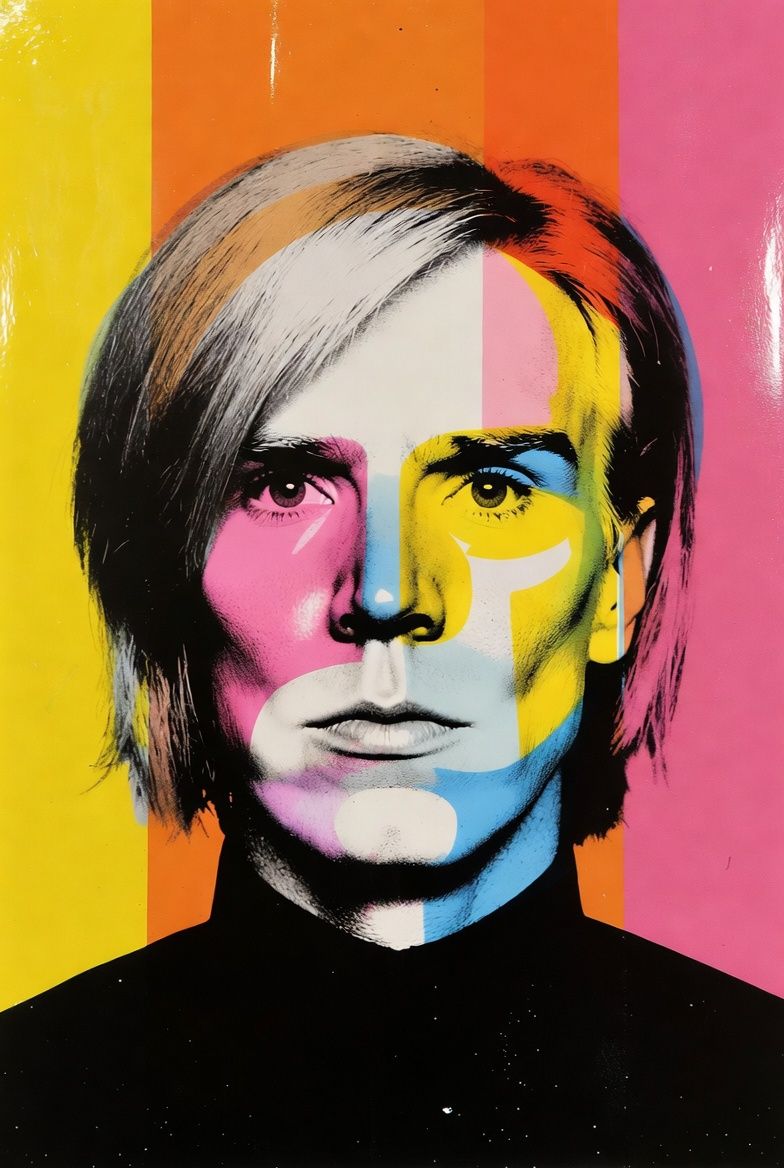
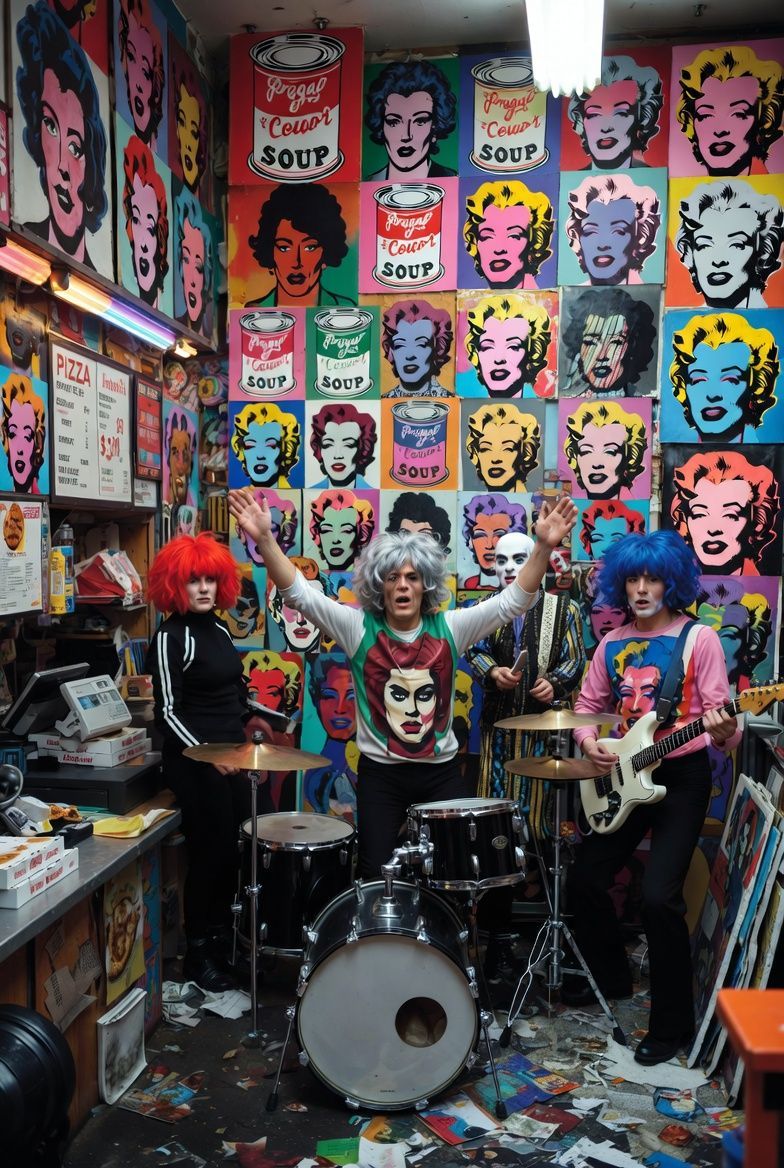
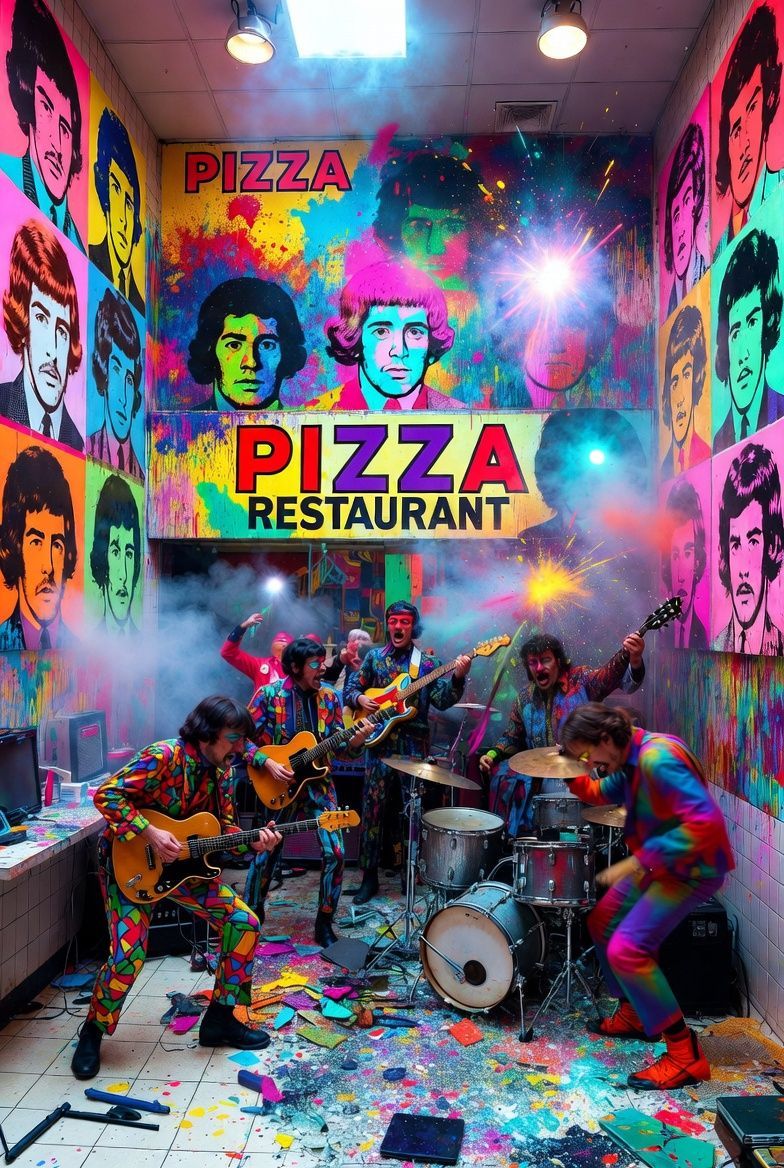
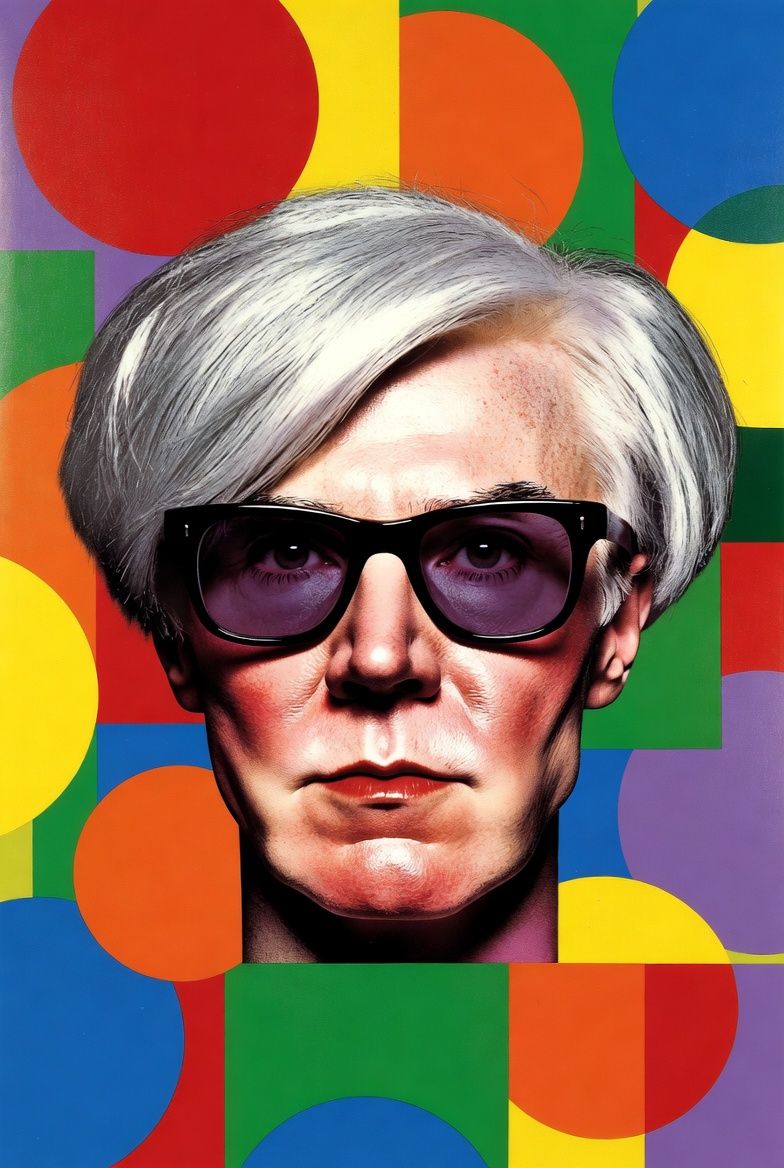
AI Image Creation That Makes Your Brand Impossible to Ignore
Visuals now function as a primary authority signal across search engines, AI systems, and human decision-making interfaces, and this shift is irreversible. Images are evaluated before text, often in isolation, and frequently without a click ever occurring. AI-driven discovery surfaces, social feeds, map results, and zero-click answers rely on visuals to establish legitimacy instantly. When imagery appears generic, inconsistent, or artificial, trust collapses before explanation begins. This is not a branding preference issue, it is a selection problem. Systems that summarize and recommend businesses look for visual coherence, realism, and contextual alignment as indicators of credibility. NinjaAI treats AI-generated imagery as visibility infrastructure rather than creative output. Every image is designed to reduce uncertainty for both machines and humans. Visual authority now determines whether your brand is considered or filtered out.
AI image creation succeeds only when it is grounded in strategy rather than novelty. The ability to generate images quickly does not create advantage by itself, because speed without discipline produces noise. Search engines and AI systems detect repetition, artificial polish, and incoherent visual patterns just as easily as users do. Visual assets must reinforce the same identity, tone, and reality across every surface they appear. NinjaAI approaches AI imagery as a system that teaches algorithms how to recognize and trust a brand visually. This requires consistency across composition, lighting, realism, and context, not experimentation for its own sake. Images are evaluated as part of an entity, not as standalone art. When visuals align with positioning and environment, selection probability increases. When they do not, visibility erodes quietly.
Traditional photography and stock imagery no longer meet the demands of modern discovery environments. Businesses now require visuals at a scale and specificity that physical production cannot support economically or operationally. Every
service page,
city page, campaign, and platform requires unique visual context to remain credible. Stock imagery introduces repetition that search engines and AI systems increasingly devalue. Generic visuals signal low effort and low relevance regardless of copy quality. AI-powered image creation solves the scale problem only when control and consistency are enforced. NinjaAI uses AI imagery to generate market-specific, brand-aligned visuals without sacrificing realism. This allows businesses to expand visual coverage without fragmenting identity. Scale becomes an advantage instead of a liability.
NinjaAI’s image creation process begins with defining visual authority, not generating prompts. Brand identity, industry norms, audience expectations, and usage context are established before any image is produced. This ensures visuals reinforce credibility rather than chase attention. Imagery is developed with an understanding of where it will appear and how it will be interpreted by both systems and users. Iteration focuses on realism, composition, and emotional neutrality appropriate to the industry. Visual exaggeration is avoided because it undermines trust in professional contexts. Images are evaluated for commercial usability, not artistic novelty. Each asset is designed to function inside a broader content and visibility system. Consistency is enforced deliberately rather than hoped for.
AI-generated visuals must perform specific roles within a visibility ecosystem rather than exist as decoration. Website hero images establish immediate legitimacy and contextual clarity. Supporting visuals guide comprehension without distracting from explanation. Campaign imagery reinforces recognition across platforms without introducing stylistic drift. Product and service visuals reduce uncertainty by showing plausible outcomes rather than abstract concepts. Social visuals must attract attention while remaining credible within brand boundaries. Podcast and media thumbnails must signal authority in crowded feeds without gimmicks. Each visual type has a defined job within the system. NinjaAI designs imagery to perform those jobs reliably. Performance is measured by trust reinforcement, not aesthetics alone.
Industry context determines whether AI imagery builds authority or damages it. Professional services require restraint, realism, and visual calm to signal reliability. Healthcare and wellness demand cleanliness, credibility, and emotional neutrality rather than aspirational exaggeration. Real estate and development require plausible environments that reflect market realities. E-commerce and retail depend on clarity, consistency, and product truthfulness. Hospitality and tourism require emotional resonance without misrepresentation. Technology and SaaS benefit from conceptual clarity without visual chaos. NinjaAI calibrates imagery to industry expectations to avoid credibility gaps. Visual authority must match operational reality to sustain trust.
Geographic context now influences how visuals are interpreted by both users and AI systems. Visual cues that work in one region can feel disconnected or artificial in another. AI-generated imagery allows adaptation to local environments without logistical friction. Urban density, architecture, climate, and cultural signals influence perception subtly but decisively. Florida markets, for example, require different visual grounding than Northeast or West Coast markets. NinjaAI embeds geographic sensitivity into imagery so visuals align with place-based expectations. This improves relevance signals across GEO and local discovery layers. AI systems increasingly recognize these contextual cues. Geographic realism becomes a competitive advantage.
Images now contribute directly to SEO, GEO, and AEO rather than functioning as passive assets. Search engines evaluate image relevance, context, and engagement signals alongside text. AI systems increasingly incorporate visuals into summaries, recommendations, and answer surfaces. Visuals that align tightly with surrounding content improve extraction and interpretation. File structure, placement, and descriptive context influence how images are understood by machines. Generic or mismatched visuals weaken entity recognition over time. NinjaAI ensures imagery reinforces the same narrative as written content. Visual and textual authority must agree. Alignment increases selection probability.
AI-generated imagery produces measurable outcomes when executed as part of a system rather than as an experiment. Businesses replacing stock imagery with context-aware visuals see improved engagement and lower bounce behavior. E-commerce brands benefit from clearer product representation without licensing constraints. Real estate and hospitality brands scale visual coverage without compromising credibility. Local businesses gain relevance by aligning imagery with actual service environments. These outcomes are not accidental or aesthetic-driven. They result from reducing uncertainty at the moment of evaluation. Visual clarity supports confidence. Confidence supports conversion.
Consistency is the single most important factor in AI image creation, and it must be enforced deliberately. Without control, AI imagery drifts stylistically over time, eroding recognition and trust. NinjaAI maintains visual standards aligned with brand tone, color discipline, and realism thresholds. Prompt systems are refined continuously to prevent deviation. Every image is reviewed for unintended symbolism, exaggeration, or misrepresentation. This discipline is especially critical in regulated and trust-sensitive industries. Consistency builds familiarity across touchpoints. Familiarity builds confidence. Confidence drives selection.
AI image creation functions as a long-term infrastructure layer rather than a one-time service. Visual needs evolve as businesses expand, markets change, and platforms shift. NinjaAI builds image systems that scale alongside content, campaigns, and geographic growth. Assets are delivered ready for deployment across web, social, ads, and AI-driven surfaces. Ongoing refinement ensures visuals remain aligned with positioning and performance goals. This approach prevents visual debt from accumulating over time. Businesses that treat imagery as infrastructure outperform those that treat it as decoration. The gap widens as discovery compresses.
AI-generated imagery ultimately exists to remove uncertainty instantly. Users decide whether to trust a brand before reading, scrolling, or clicking. AI systems decide whether to include a brand before users ever see it. Visuals that feel coherent, realistic, and aligned signal safety. Safety leads to selection. NinjaAI builds AI imagery that reinforces authority rather than competing for attention. This is not about standing out visually at all costs. It is about being trusted immediately. Visual authority is now a requirement, not an enhancement. NinjaAI installs it deliberately.